
-
 December 5, 2024
-
 0 Comments
-
 By
admin
By
admin
Understanding the Scope of Digital Marketing in Today’s Market
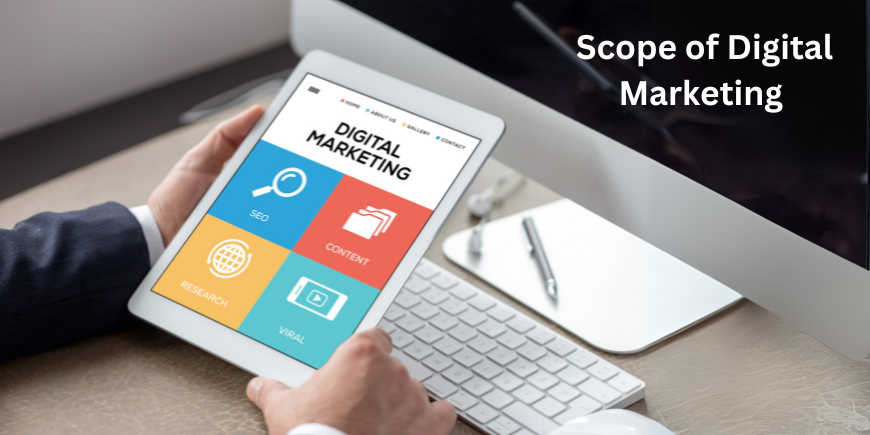
Digital marketing plays a pivotal role in contemporary business, shaping the way companies engage with their target audience and drive sales. Gaining a comprehensive understanding of the scope of digital marketing is crucial to capitalize on this powerful tool and stay ahead of the competition. As the digital landscape evolves, businesses must remain up-to-date with the latest trends and strategies to ensure continued success in their marketing efforts.
The Growing Significance of Digital Marketing
The emergence of digital channels and platforms has greatly impacted the way businesses reach and engage with their target audience. Social media, email marketing, content marketing, and search engine optimization (SEO) have become essential components of a successful digital marketing strategy. These platforms allow businesses to connect with customers, build brand awareness, and drive conversions, making digital marketing an integral part of modern marketing efforts.
As consumer behavior shifts towards an increasing reliance on the internet for information and decision-making, digital marketing has become a key driver in influencing consumer choices. Today’s consumers extensively research products and services online before making a purchase, highlighting the importance of a strong digital presence for businesses. By leveraging digital marketing, companies can effectively guide consumers through their decision-making process and influence their choices.
Digital marketing offers several advantages over traditional marketing methods, making it a more attractive option for businesses looking to expand their reach and improve their marketing efforts. Some of these advantages include cost-effectiveness, wider reach, better targeting and personalization, and quantifiable results. These benefits allow businesses to optimize their marketing strategies and allocate resources more efficiently, ultimately leading to improved customer satisfaction and increased revenue.
Scope of Digital Marketing in Various Industries
Digital marketing has expanded its reach across multiple industries, transforming the way businesses engage with their customers and promote their products and services. In the retail and e-commerce sectors, influencer marketing, social media promotions, and email marketing campaigns have become vital tools for attracting and retaining customers. These strategies help businesses increase brand visibility, generate leads, and drive sales.
In the healthcare industry, online consultations and telemedicine have become increasingly popular due to their convenience and accessibility. Health and wellness content marketing helps medical professionals and organizations establish themselves as experts in their field, build trust with their audience, and attract new patients. By leveraging digital marketing strategies, healthcare providers can better engage with their audience and promote their services in an increasingly competitive market.
The education and e-learning sectors have also embraced digital marketing, utilizing online courses, webinars, content marketing for educational institutions, and social media engagement to attract prospective students. These strategies enable educational institutions to showcase their offerings, demonstrate their expertise, and connect with potential students from around the world.
Travel and tourism businesses have found success in destination marketing through social media, influencer partnerships for promoting tourism, and SEO strategies for travel websites. These digital marketing tactics help businesses in the travel industry create awareness about their destinations, attract potential tourists, and ultimately drive bookings and revenue.
Key Components of an Effective Digital Marketing Strategy
An effective digital marketing strategy starts with defining clear objectives and goals, which provide a roadmap for your marketing efforts and a benchmark against which you can measure your success. Identifying target audience segments is essential for tailoring your marketing messages and targeting the right people with the right content. This helps improve the efficiency of your marketing efforts and increases the likelihood of achieving your goals.
Selecting the most suitable digital channels and platforms is crucial for reaching your target audience where they are most likely to engage with your content. This can include social media platforms, email marketing, content marketing, and more. Creating engaging and valuable content is at the heart of any successful digital marketing strategy, as it helps build brand awareness, generate leads, and drive conversions. Quality content is informative, entertaining, and relevant to your audience’s needs and interests.
Implementing data-driven strategies for optimization and improvement allows you to measure the effectiveness of your digital marketing efforts and make informed decisions about how to adjust your strategies for better results. By regularly analyzing data and performance metrics, you can identify areas of improvement and optimize your digital marketing strategy to achieve your objectives and goals more efficiently.
Measuring the Success of Digital Marketing Efforts
To gauge the effectiveness of digital marketing efforts, businesses rely on key performance indicators (KPIs) that reflect various aspects of their marketing campaigns. Website traffic and conversions, social media engagement and reach, and email open and click-through rates are just a few examples of KPIs that can help measure the success of your digital marketing strategies.
Tracking and analyzing data is crucial for understanding the performance of your marketing efforts and making informed decisions about adjusting your strategies. By monitoring KPIs and analyzing data, businesses can identify areas for improvement, optimize their marketing campaigns, and achieve continuous growth. This data-driven approach ensures that your marketing efforts remain agile and adaptable to the ever-evolving digital landscape, ultimately contributing to the overall success of your business.
Future Trends and Opportunities in Digital Marketing
The landscape of digital marketing continues to evolve, driven by the emergence of new technologies and platforms. Artificial intelligence (AI) and machine learning have enabled the development of more targeted and personalized marketing campaigns, while augmented and virtual reality (AR/VR) offer unique and immersive experiences for consumers. Additionally, voice search and smart speakers have created new opportunities for businesses to engage with their audience in more natural and intuitive ways.
Video content is becoming increasingly important in the digital marketing sphere, with live streaming and short-form video platforms like TikTok gaining widespread popularity. These platforms allow businesses to create engaging and shareable content that resonates with their target audience, driving brand awareness and customer engagement.
Personalization and customer-centric marketing are at the forefront of modern digital marketing strategies, with businesses focusing on hyper-targeted advertising and optimizing the customer experience. By leveraging data-driven insights and technology, companies can create marketing campaigns that resonate with their audience, improve customer satisfaction, and ultimately drive business growth.
Embrace the Digital Marketing Evolution
We have explored the ever-expanding scope of digital marketing, its growing significance across industries, and the importance of staying up-to-date with the latest trends and technologies. Adapting to the evolving digital landscape is vital for businesses to remain competitive and achieve their goals. By investing in digital marketing efforts and staying informed about emerging opportunities, businesses can position themselves for growth and success in today’s market.
Ready to take your digital marketing to the next level? Contact Hitech Technology, the trusted digital marketing experts in Mumbai, to optimize your website and achieve your business goals.